How to read our recommendations: comparisons use published specifications, listed prices and editorial assessments. Scores are not measured performance results. Our
lab section publishes protocols; it currently has no completed test results. Prices and availability can change after the check date shown.
Research and scoring method ·
Affiliate disclosure.
This is the page most people land on first, and the honest starting point is that there is no single best water purifier for every Indian home — there is a best purifier for your water. A ₹22,000 unit fitted to soft municipal supply is worse value than a ₹9,000 unit, and a ₹9,000 unit fitted to 1,400 ppm borewell water will fail within two years.
So the sequence matters. Measure your TDS, decide the technology, size the storage to your household, and only then compare models. Skipping to model comparison is how households end up with a purifier that is over-specified, under-specified, or unserviceable in their pin code.
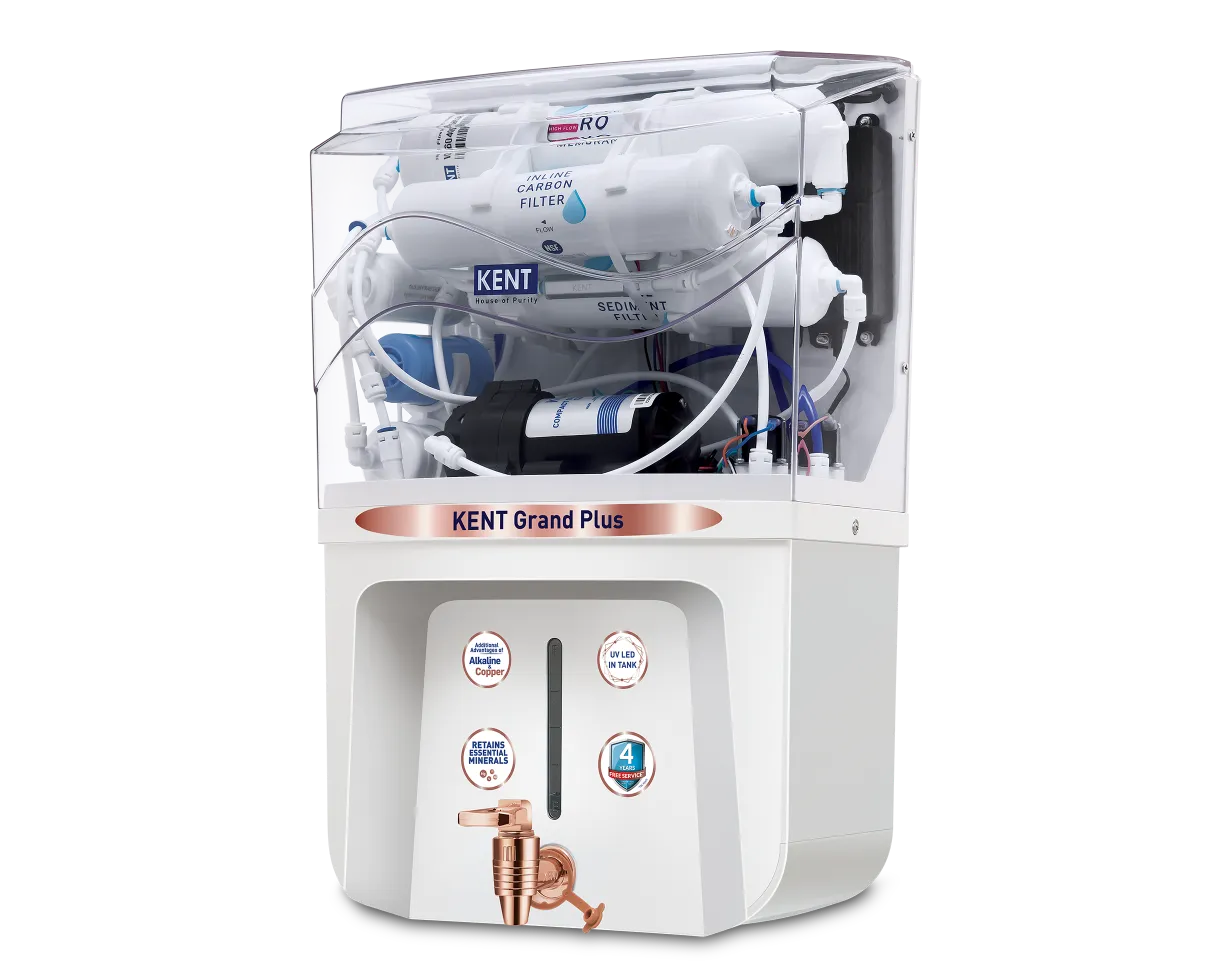
On storage: a family of four drinking and cooking gets through roughly 15-20 litres a day. A 7-8 litre tank refilling through the day covers that comfortably. Larger tanks matter mainly where supply is intermittent — if your water arrives for two hours each morning, buy the biggest tank you can wall-mount.
On service: this is the factor that separates a good ten-year purchase from a bad one, and it is entirely local. A brand with excellent national reach and no technician in your town is, for you, a brand with no service at all. Ask a neighbour before you ask a salesperson.