

🏆 Best Budget ShaverPhilips
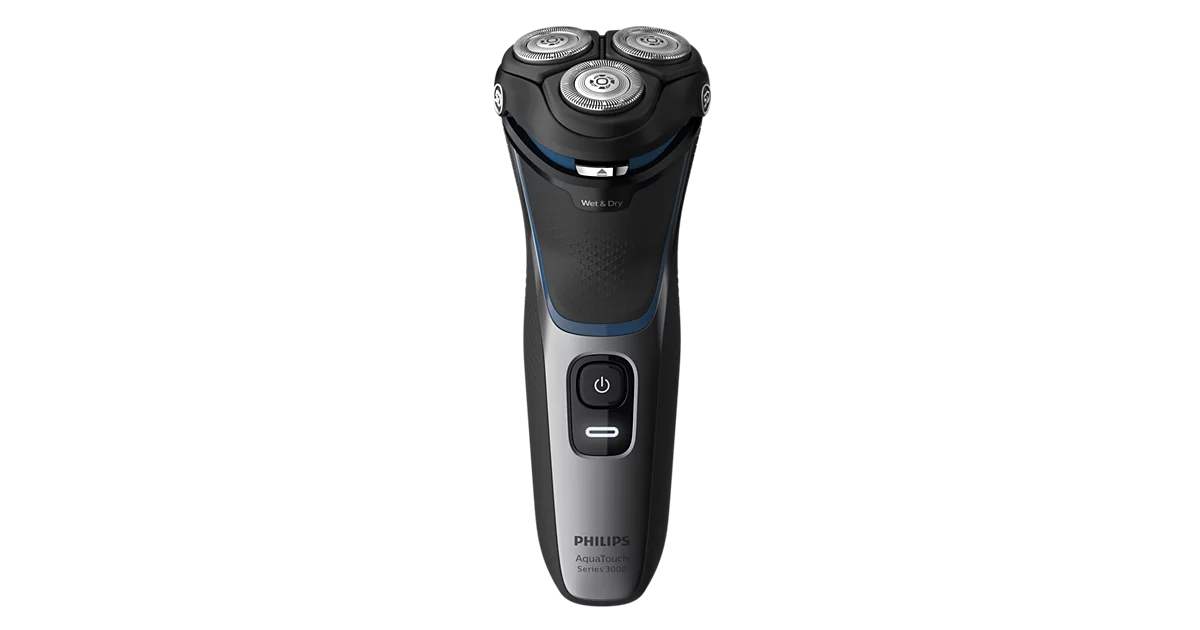
Philips Shaver Series 3000 S3122/51
The affordable way into a proper rotary shave
8.3/10our editorial score
- Rotary cutting system
- 45 min cordless runtime
- 5-minute charge gives one shave
- Fully washable, wet & dry
- Blade replacement ≈ ₹2,200 every 24 months
- Warranty: 2 years
Took two weeks to get used to“First electric shaver. The first ten days it pulled a bit and I nearly returned it, then my skin adjusted and now it is comfortable. Not as close as a blade but I save ten minutes every morning.”
₹3,29940% off
M.R.P. ₹5,495 Save ₹2,196
Running cost: ≈ ₹1,100/yr
Indicative price, verified 2026-08-01. Confirm on the marketplace before buying.