🧺 Washing machine guide
Washing Machine Dimensions and Installation Space Guide
What does washing machine size actually mean?
Washing machine size can mean either the dry-laundry capacity in kilograms or the outside dimensions of the appliance. Those figures answer different questions. Capacity helps you choose the amount of laundry a programme can handle; width, height and depth determine whether the cabinet will fit. Two machines carrying the same 7kg or 9kg label can have different cabinet dimensions and installation needs.
For the question washing machine ka size kitna hota hai, the practical answer is to compare the exact model's dimensions in millimetres and then add its specified installation space. Do not choose from a generic capacity chart alone. An 8kg front loader and an 8kg top loader are not interchangeable shapes, even when both fit the household's laundry needs.
Record these measurements before comparing models
Measure in millimetres to avoid mixing centimetres and inches. Photograph the location and mark the water tap, drain and socket on a simple sketch. Send that sketch and the exact model code to the authorised installer before placing an order where fit is tight.
| Measurement | What to record | Common oversight |
|---|---|---|
| Width | Narrowest clear width at floor and cabinet height | Skirting, pipework or a tap reduces usable width |
| Height | Floor to the lowest shelf or counter | Levelling and lid opening need their own checks |
| Depth | Wall or connection point to the front boundary | A listed cabinet depth may exclude projections |
| Opening space | Front-door swing or fully raised top lid | A wall, basin or shelf blocks loading |
| Connections | Tap, drain and suitable power outlet positions | Hoses cannot be crushed behind the cabinet |
| Delivery route | Doorways, lift, landings, turns and steps | The final alcove fits but the route does not |
Front load and top load need different opening space
A front load washing machine needs room for its front door to open and for you to lift a laundry basket in front of it. Check the depth with the door open, not just the closed cabinet. A machine that fits under a counter can still be unusable if a nearby wall prevents the door opening far enough. Do not assume the door hinge can be reversed unless the manufacturer explicitly allows it.
A top load washing machine needs vertical clearance for the entire lid travel. A shelf directly above a closed lid may make loading impossible. Check that you can reach the bottom of the tub comfortably in the proposed location. Semi-automatic twin-tub machines need access to both openings and enough working space to transfer wet laundry between them.
A washer dryer combination still needs the installation provisions specified for that model. If you are stacking separate machines, use an approved combination and stacking kit. Matching cabinet widths do not establish that two appliances can safely be stacked.
A worked example for an alcove
Suppose a hypothetical washer is 600mm wide and 600mm deep. For this example only, suppose its manual calls for 25mm on either side and 100mm behind. The minimum clear width would be 600 + 25 + 25 = 650mm. The depth to the closed front would start at 600 + 100 = 700mm, subject to what the manufacturer's depth figure includes and where the connections sit.
That arithmetic does not account for the front door opening, a front walkway, skirting or an outlet protruding from the wall. Record those separately. If your alcove is only 620mm wide, the hypothetical 600mm cabinet fits physically but fails the assumed side-clearance requirement. A narrower model or a different location is needed.
These numbers demonstrate how to calculate space; they are not standard dimensions for 7kg, 8kg or 9kg machines. LG's installation guidance itself distinguishes different appliance configurations and advises following the chosen product's manual. Use that approach when comparing LG, Bosch, Samsung, IFB, Haier, Whirlpool or another brand.
Tip
Water, drainage, floor and power checks
Check the model's required inlet arrangement and water-pressure limits. Some washers have a single inlet; others have separate hot and cold connections. Avoid choosing adapters or an extra pump from a generic online rule. Ask the installer to assess the actual tap and supply against the manual.
Confirm the permitted drain-hose height, routing and reach. The drain must be accessible without pinching the hose behind the machine. A nearby floor drain is not proof that every washer can use that arrangement; the appliance's drainage instructions control the setup.
The machine needs a suitable stable, level supporting surface and a compliant electrical connection. Allow access to the plug and water shutoff. Follow the installation instructions for levelling, transit-bolt removal where applicable and the initial checks. A cosmetic stand or closed cabinet should not replace the manufacturer's installation requirements.
Match capacity and budget after checking fit
Once you know the available installation envelope, compare capacity around the laundry you actually wash and the programme limits in the manual. A household of ten may need frequent loads, but headcount alone does not decide between a 9kg, 11kg or 12kg washer. Bulky bedding must also fit the drum and be approved for the intended programme.
For a washer dryer, record washing and drying capacities separately. A full wash load may need to be split for drying. Steam programmes, an inverter motor or a larger kg number do not establish cabinet size, dryer capacity or installation compatibility.
Before paying, confirm the delivered model code, current seller price, installation charges, included hoses and any site work. Keep the installation drawing with your order. The capacity guide helps choose laundry volume; the front-load and top-load shortlists help compare formats once the space checks pass.
Frequently asked questions
What are the dimensions of a 7kg washing machine?
How much space should I leave behind a washing machine?
Can a top load washing machine go under a counter?
Does a 9kg washer always take more floor space than a 7kg washer?
Sources and further reading
- LG: installation checks for top load, front load and washer dryer appliances
- LG: pre-purchase and installation checklist
Reviewed 23 October 2026. Instructions for your exact appliance and material take precedence over general guidance.
Still not sure which washing machine fits?
Tell us your city and situation. We will give you a straight answer — including when the honest answer is that you do not need to spend much at all.
Shortlists that follow this advice
- Best Front Load Washing Machines in India (2026)best front load washing machine
- Best Top Load Washing Machines in India (2026)best top load washing machine
- Best Compact Washing Machines for Small Homes in India (2026)compact washing machine
- Best Washing Machines for Large Families in India (2026)washing machine for large family
Read next
Our current top washing machines
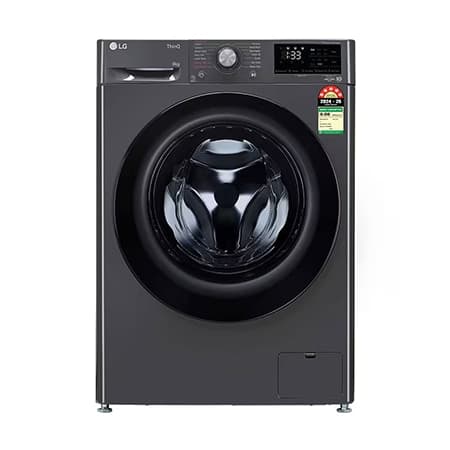
LG 9 kg 5 Star Front Load Washing Machine (FHP1209Z5M)
LG
A family of four or five
View details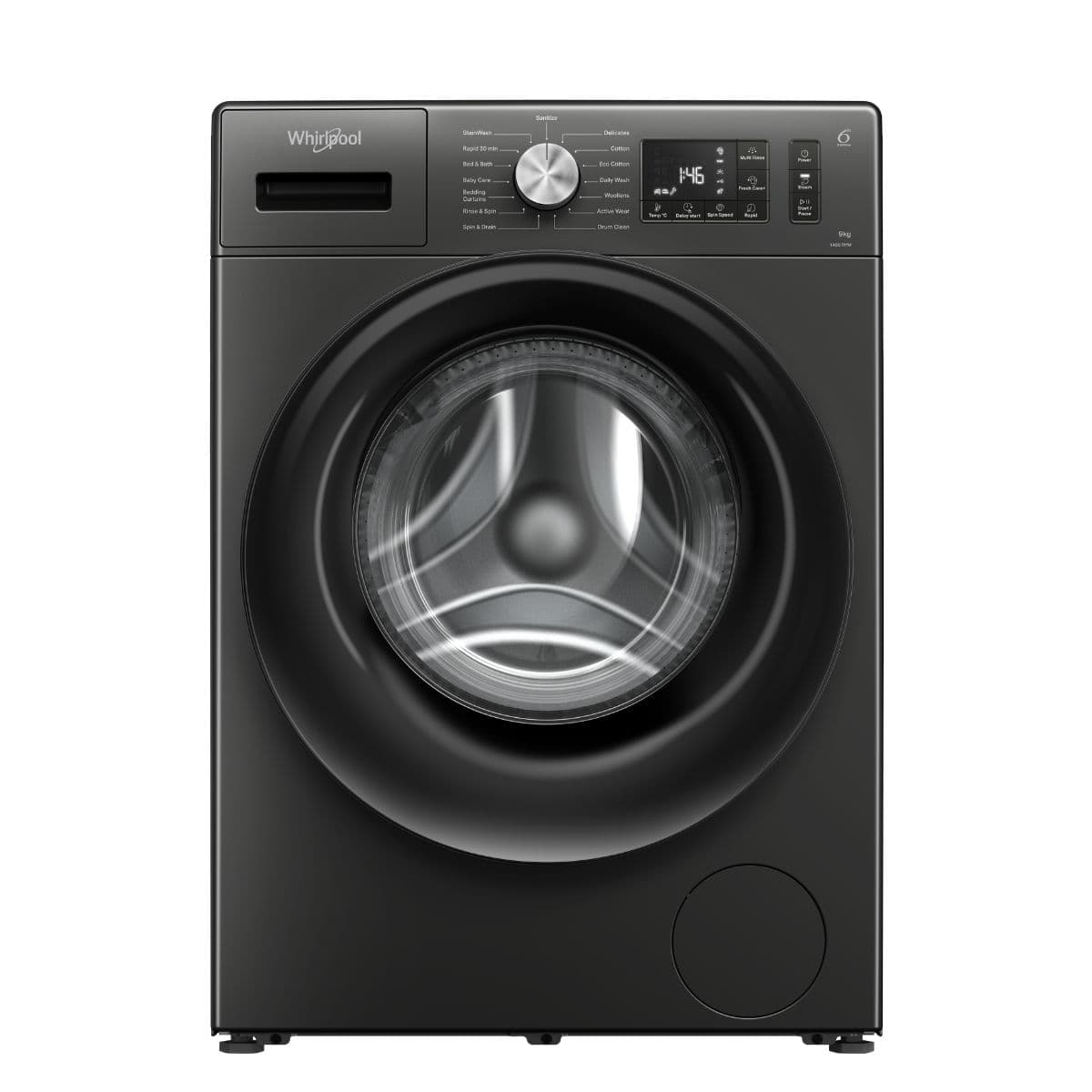
Whirlpool 9 kg 5 Star Front Load Washing Machine (Xpert Care 33049)
Whirlpool
A family of four or five
View details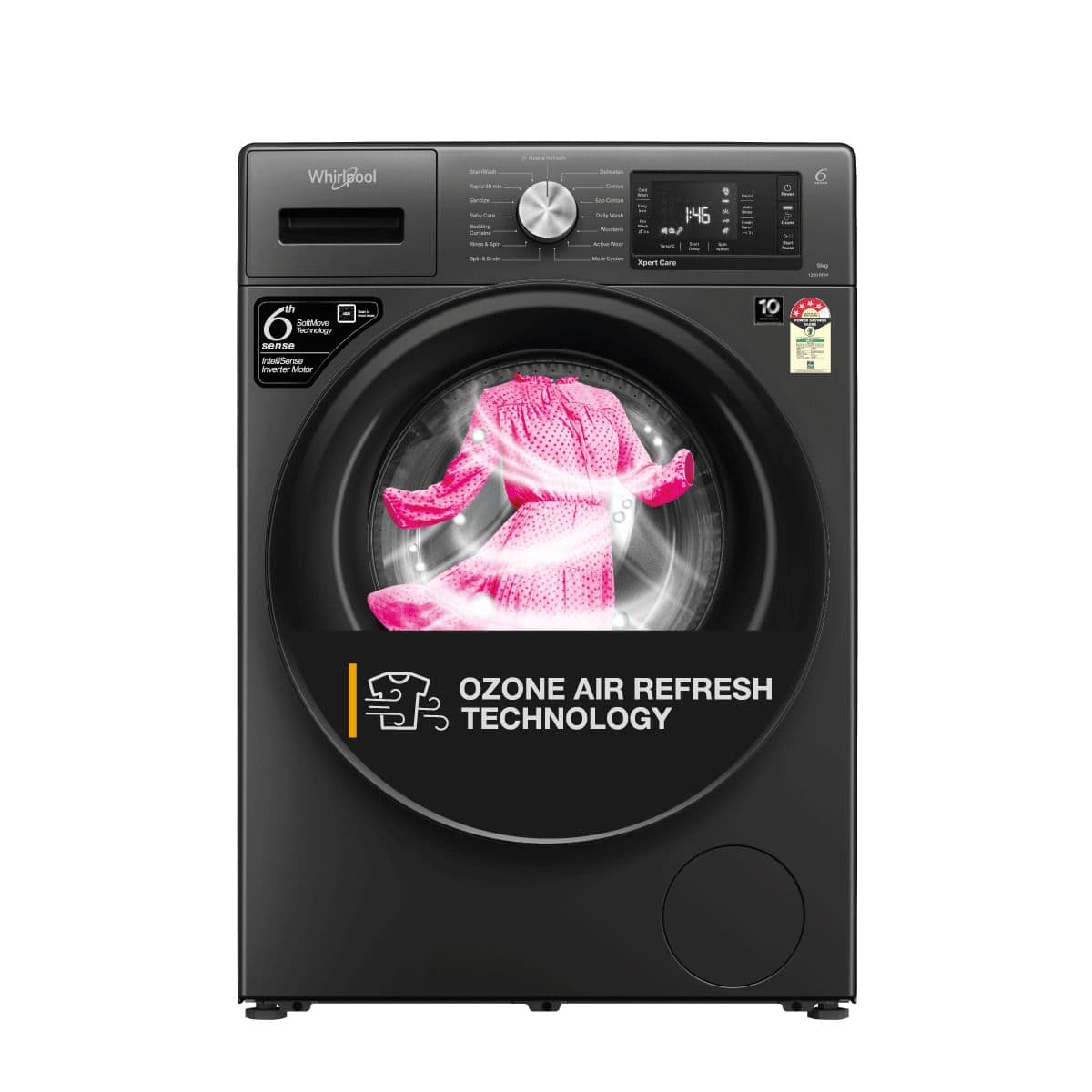
Whirlpool 9 kg 5 Star Front Load Washing Machine (Xpert Care 33032)
Whirlpool
A family of four or five
View details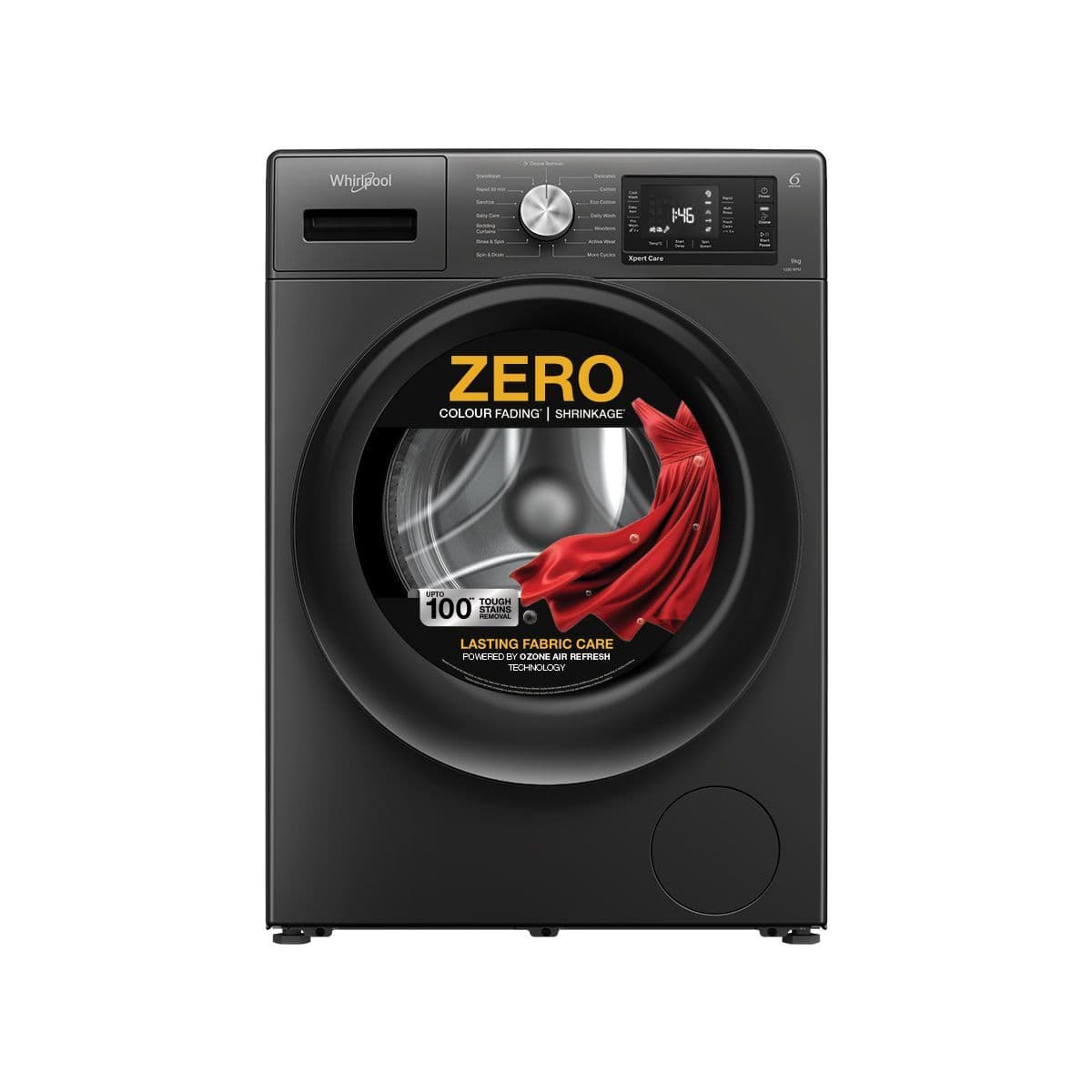
Whirlpool 9 kg 5 Star Front Load Washing Machine (Xpert Care 33027)
Whirlpool
A family of four or five
View details